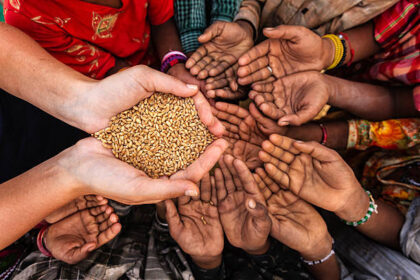

Nigeria has signed a $1 billion agreement with Brazil aimed at transforming its agricultural sector through large-scale mechanisation and technology transfer.
The pact, sealed in June 2025, will bring in modern farming equipment, establish service centres in rural areas, and train local farmers on modern production techniques. Officials say the deal will target staple crop production, livestock, and agro-processing to boost food security and export capacity.
Agriculture currently contributes about 24% to Nigeria’s GDP and employs roughly 70% of the workforce, yet most farms remain smallholder-based with low productivity.
Outdated tools, limited irrigation, and fragmented land ownership have kept yields far below global averages. Analysts believe the Brazil deal could help bridge the gap by making advanced equipment more affordable and accessible to rural communities.
The agreement is also expected to reduce Nigeria’s heavy dependence on food imports, which cost billions of dollars annually for items such as wheat, sugar, and milk. If successfully implemented, the mechanisation plan could help scale up production, improve crop quality, and attract investment into the processing sector.
However, experts warn that the deal alone will not solve Nigeria’s agricultural challenges. Without significant improvements in rural roads, storage facilities, and access to credit, they say, much of the benefit could be lost to post-harvest waste and market bottlenecks.